Tanabata at Yamamori – A Night of Wishes and Flavour

🎋 What is the Tanabata Festival in Japan
Tanabata (七夕) is the Star Festival, a traditional Japanese celebration held annually on July 7th. Rooted in ancient Chinese folklore, Tanabata commemorates the romantic legend of Orihime (the Weaver Star) and Hikoboshi (the Cowherd Star)—represented by the stars Vega and Altair—who are separated by the Milky Way and allowed to meet only once a year on this special day.
🌌 The Legend
According to legend, Orihime and Hikoboshi fell deeply in love and neglected their celestial duties, angering the gods. As punishment, they were separated by the vast Milky Way and only granted permission to reunite once a year—on the seventh day of the seventh lunar month—if the skies are clear.
🎐 Traditions and Customs
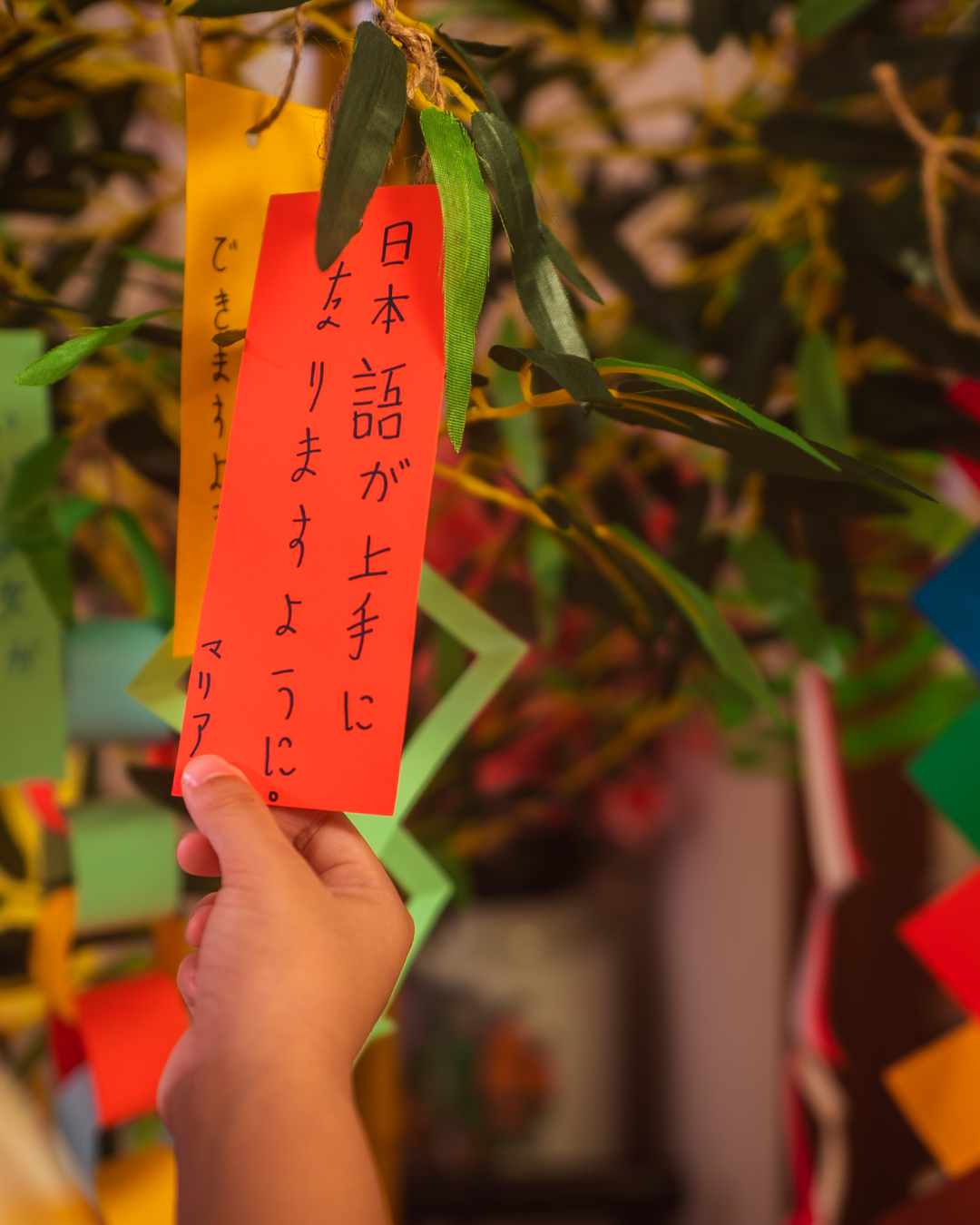
One of the most iconic elements of Tanabata is the decoration of bamboo branches with colourful tanzaku (短冊)—small strips of paper on which people write their wishes, hopes, and poems. These branches are often displayed in homes, schools, and public places, creating a festive and poetic atmosphere.
Common decorations also include:
Origami cranes and stars
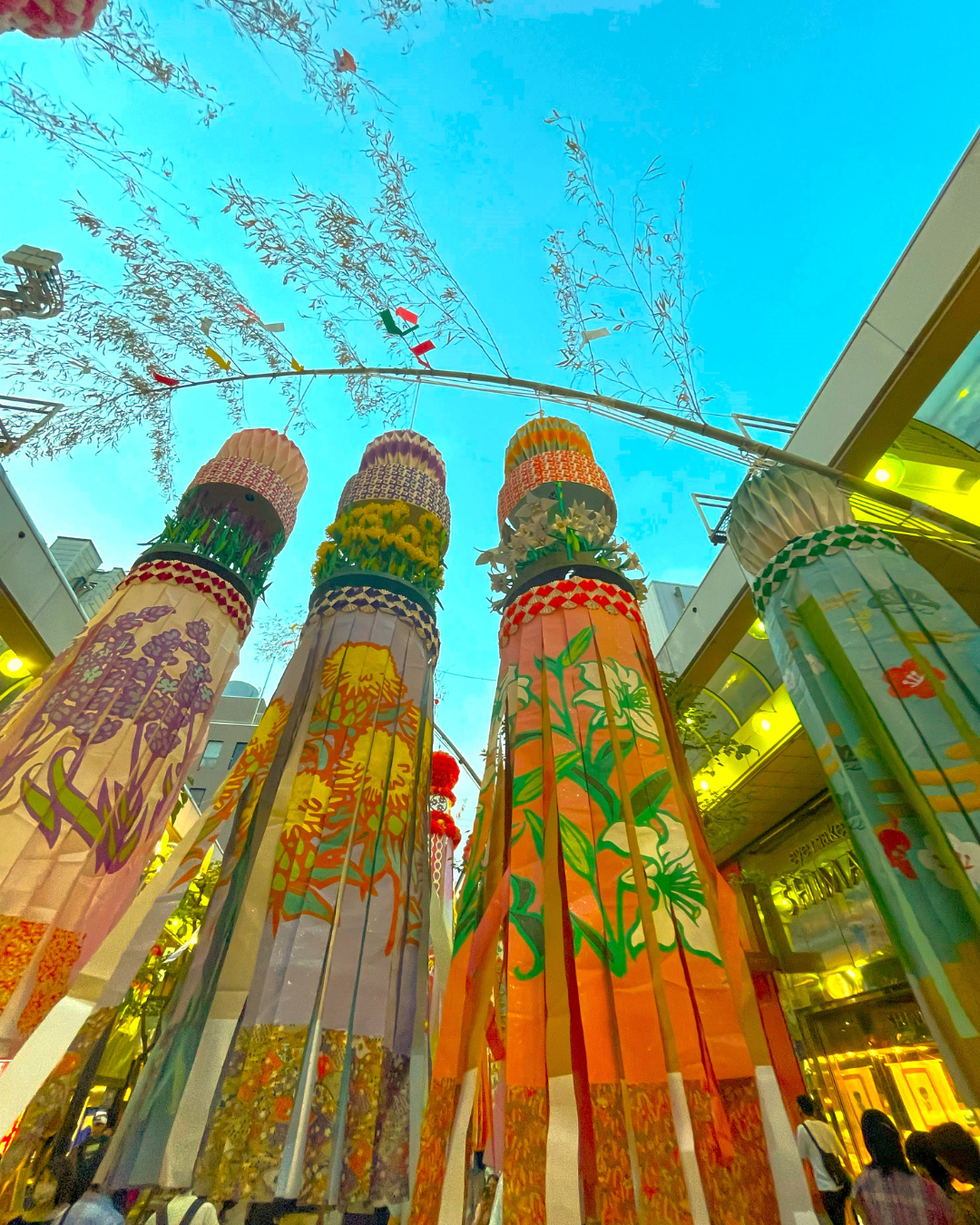
Paper streamers (symbolising weaving threads)
Nets, bags, and kimono-shaped paper ornaments, each representing different types of blessings.
🎆 Celebrations Across Japan
While Tanabata is officially observed on 7th July, some regions celebrate it in August according to the lunar calendar. Major Tanabata festivals include:
Sendai Tanabata Festival (Miyagi Prefecture): One of the largest and most famous, featuring elaborate streamers and parades.
Shonan Hiratsuka Tanabata Festival (Kanagawa): Known for its vibrant decorations and carnival-like atmosphere.
Asagaya and Fussa Tanabata Festivals (Tokyo): Charming neighbourhood festivals filled with local flair.
These events often include food stalls, fireworks, traditional music, and people wearing yukata (summer kimono).
✨ Symbolism
Tanabata is more than just a romantic tale—it's a celebration of dreams, perseverance, and hope. The act of writing and hanging wishes reflects the human desire to connect with the cosmos and the belief that wishes can come true with sincerity and dedication.